November 15, 2026
How Flashing Failures Cause Most Coastal Ceiling Leaks
By @paxtonnxuy045
When brown water stains bloom across an interior plasterboard ceiling, most homeowners immediately assume a broken tile or cracked metal roof sheet is the culprit. In coastal environments like Ballina, NSW, however, the real source of ingress is almost always roof flashing failure. Roof flashing serves as the critical transition barrier where different roof planes meet, around skylights, parapet walls, vent pipes, and chimneys. When these thin weatherproofing barriers degrade, high-volume coastal rain has an unobstructed pathway straight into your ceiling cavity.
Why Coastal Climates Accelerate Flashing Breakdown
Ballina’s position between the Pacific Ocean and the Richmond River creates a uniquely harsh setting for roofing systems. Homes throughout East Ballina, Lighthouse Beach, and West Ballina face relentless salt-laden coastal breezes, intense UV radiation, and severe subtropical rainfall events. While main roofing materials like heavy concrete tiles or modern marine-grade metal sheeting resist these elements well, thin flashing metals and their adjoining sealants bear the brunt of environmental stress.
Several distinct factors make flashing particularly vulnerable in our local area:
- Salt Spray Corrosion: Microscopic airborne salt crystals settle into seams and joints. When mixed with morning condensation, they form an electrolyte solution that rapidly attacks older galvanised coatings, lead flashings, and unsealed metal cut edges.
- Intense Thermal Expansion: Subtropical Northern NSW summers create dramatic temperature fluctuations on dark roof surfaces. Flashing expands during peak daylight heat and contracts rapidly as evening sea breezes or storms arrive, placing immense shearing force on fasteners and underlying sealants.
- UV Breakdown of Sealants: Flexible butyl and silicone sealants applied to seal flashing laps dry out, shrink, and crack after prolonged exposure to the intense coastal sun.
- Wind-Driven Capillary Action: East Coast low-pressure systems drive horizontal rain across roof pitches. If flashing lacks sufficient turn-up or tight mechanical fastening, water is forced uphill underneath the overlaps through capillary action.
The Anatomy of a Flashing Leak
Because flashing is positioned at vulnerable joints, a failure does not simply produce a localized drip. Water typically enters around a valley flashing, parapet capping, or vent pipe penetration and then travels along structural rafters or ceiling batten runs before pooling on top of the lowest point in the ceiling plasterboard. By the time damp patches or bubbling paint appear in a bedroom or living area, extensive structural timber dampness, compromised insulation, and hidden mould colonies have often already developed.
In homes featuring multi-level roofs or complex architectural designs—common across contemporary Ballina estates—apron and step flashings are critical. When mortar joints holding counter-flashing into brickwork decay, rain running down the exterior wall channels directly behind the flashing rather than over it.

Modern 2026 Standards and Preventative Care
Managing coastal roof integrity requires materials and installation techniques designed specifically for marine environments. In 2026, roofing best practices in coastal zones mandate the use of high-performance materials, such as marine-grade aluminium, copper, or specialist prepainted steel engineered for marine exposure (such as COLORBOND® Ultra). Standard lead or thin zinc flashing lacks the durability needed to endure long-term salt aerosol exposure without pitting and perforation.
Homeowners https://devinntop990.theglensecret.com/can-roof-coatings-really-reduce-heat-in-coastal-homes can mitigate costly interior restorations by scheduling targeted maintenance before storm season peaks. A proactive coastal roof care routine should include:

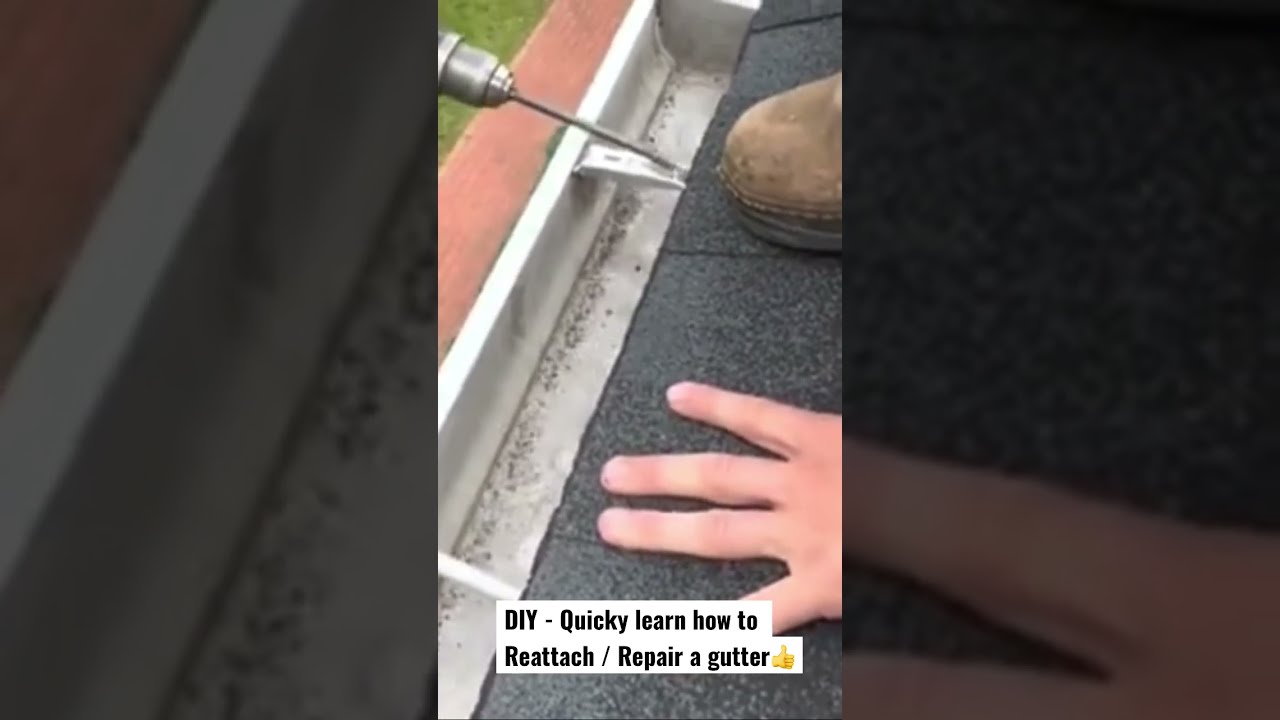
- Biannual Joint Inspections: Checking penetrations, valleys, and side aprons for cracked sealants, loosened pop rivets, or lifted sheet edges.
- Valley Debris Removal: Clearing decaying leaves, pine needles, and coastal debris that trap moisture against valley flashings and cause premature localized rust.
- Fastener Tightening and Replacement: Replacing standard roofing screws that have lost their EPDM rubber washers or developed galvanic rust where dissimilar metals touch.
- Mortar Repointing: Resealing lead or metal step flashings embedded into masonry walls to eliminate gaps caused by structural settling.
Protecting Your Ballina Property
Minor flashing defects are relatively straightforward and cost-effective to repair when detected early. Left unattended, however, the continuous moisture intrusion destroys ceiling plaster, ruins ceiling insulation, and risks timber rot within structural trusses. If you notice signs of interior water staining, peeling paint along cornice lines, or visible rust streaks near roof penetrations, addressing the flashing immediately is the best way to safeguard your coastal home against costly water damage.
Ballina Roof Restoration & Repair
❧